01
IP-Led Commercialization
Zelta AeroSystems Inc. is positioned as a licensor of differentiated aerospace systems, filed core technology, and protected know-how rather than as a generic drone manufacturer.

Advanced cargo aerial platforms engineered for autonomous operations across coastal, inland, maritime, and remote environments where conventional logistics remain constrained.
Zelta AeroSystems Inc. operates as a licensing-first aerospace platform enabling sovereign manufacturing, regional deployment control, and structured technology transfer. Detailed technical, operational, and commercial documentation is made available through confidential engagement with qualified partners pursuing licensing, industrial participation, or regional deployment rights.
Zelta AeroSystems Inc. is a licensing-first aerospace platform presenting protected aircraft systems, strategic partner pathways, and a structured diligence route for qualified regional partners, sovereign stakeholders, industrial manufacturers, and strategic operators.
Zelta AeroSystems Inc. is positioned as a licensor of differentiated aerospace systems, filed core technology, and protected know-how rather than as a generic drone manufacturer.
The licensing model is surfaced near the top of the site so visitors immediately understand how value is created through territorial rights, qualified partner selection, staged disclosure, and negotiated downstream commercial participation.
Homepage, portfolio, and licensing pages are sequenced to support a serious diligence conversation, moving counterparties from public review into confidential technical, commercial, and territorial discussions.
Zelta AeroSystems Inc.'s public narrative remains deliberately high level, while program credibility is supported by documented prototype work across energy generation, storage, buffering, integration, and thermoelectric validation.
 ▶
▶
Stirling engine coupled with a dynamo demonstrating thermal-to-electrical output from a working hardware build.
Watch Demonstration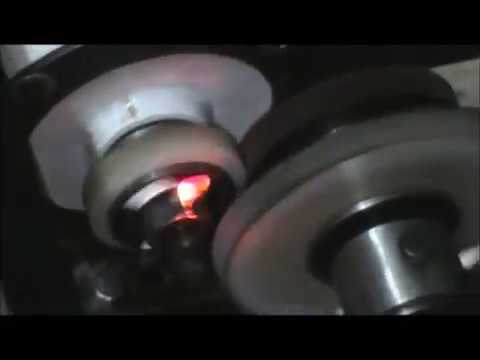 ▶
▶
Generated electrical output charging a battery, proving usable downstream storage rather than theory alone.
Watch Demonstration ▶
▶
Single-candle demonstration showing usable 12VDC lighting output from a minimal thermal source.
Watch Demonstration ▶
▶
960W drill operated using limited solar input, an electrical storage buffer, and inverter-based pulse-load delivery.
Watch Demonstration ▶
▶
Multi-engineer prototype assembly activity showing coordinated R&D execution and system integration capability.
Watch Demonstration ▶
▶
Electrical testing of a thermoelectric mCHP prototype in China, demonstrating solid-state heat-to-power capability.
Watch DemonstrationThis overview presents system capabilities at a high level while signaling substantiated engineering activity, disciplined program development, and a broader architecture roadmap extending beyond what is shown on the public site.
Conceptual reference to the filed core system that anchors current public positioning.
High-level reference to additional proprietary system architectures under development and not publicly disclosed.
High-level reference to regulated support subsystems without disclosing implementation, component selection, or control logic.
Capability objectives spanning endurance, adaptable aircraft configurations, and multi-energy system coordination.
Zelta AeroSystems Inc. is presented as an IP-led aerospace platform pursuing differentiated system pathways while maintaining visible engineering proof and a disciplined path into confidential technical review.

The public portfolio presents visible aircraft pathways under a single licensing framework, anchored by a filed core technology while reserving deeper implementation detail, mission logic, and commercial structuring detail for confidential engagement.

Conceptual fixed-wing cargo aircraft for coastal, maritime, and remote deployment environments.

Advanced cargo aerial-system direction based on one filed core technology, with implementation details intentionally withheld from public disclosure.

Conceptual compact electric aircraft pathway for shorter-range cargo missions and distributed deployment scenarios.
Zelta AeroSystems Inc.'s intended commercialization pathway is territorial licensing and strategic partnership. Commercial structures are defined through partner-specific engagement, patent status, jurisdiction, diligence, technical scope, qualified partner review, and final negotiation.
Zelta AeroSystems Inc.'s commercialization strategy is built around repeatable territorial engagement, disciplined partner progression, and a scalable licensing model as the IP position expands internationally across multiple aerospace and logistics use cases.
The model is designed to support country-by-country or region-by-region expansion through qualified aerospace, defense, and strategic industrial partners.
The visible site narrative is intentionally narrower than the long-term program direction, supporting future confidential developments and additional jurisdictional filings.
Zelta AeroSystems Inc. presents its management structure through a dedicated page covering the founder profile, initial management team roles, planned post-financing executive hires, and the Technical Advisory Board.
The dedicated Management page organizes the founder profile, initial team positions, assigned duties, core executive roles to be recruited, and PhD-level technical advisory support in one investor- and partner-facing location.
The page also identifies the senior operating team intended for recruitment after financing, including CEO/President, CFO, CTO, COO, VP Sales & Marketing — Global Licensing, and VP Engineering.
Use the form below for licensing, investor, and strategic partner outreach, including territory discussions, executive briefings, OEM dialogue, and confidential review requests.
Use this form for licensing inquiries, strategic partnerships, investor dialogue, or executive briefing requests.
All technologies, systems, platform concepts, visuals, specifications, demonstrations, and reference materials presented on this website are illustrative, non-enabling, and subject to intellectual property protection. One core technology has been filed in Canada while additional proprietary systems, architectures, implementations, embodiments, and future developments remain confidential and are not publicly disclosed. Nothing contained on this website constitutes a complete technical disclosure, engineering specification, commercial offering, or definition of claim scope. Zelta AeroSystems Inc. reserves all rights to undisclosed embodiments, future filings, system variations, and confidential implementation pathways.